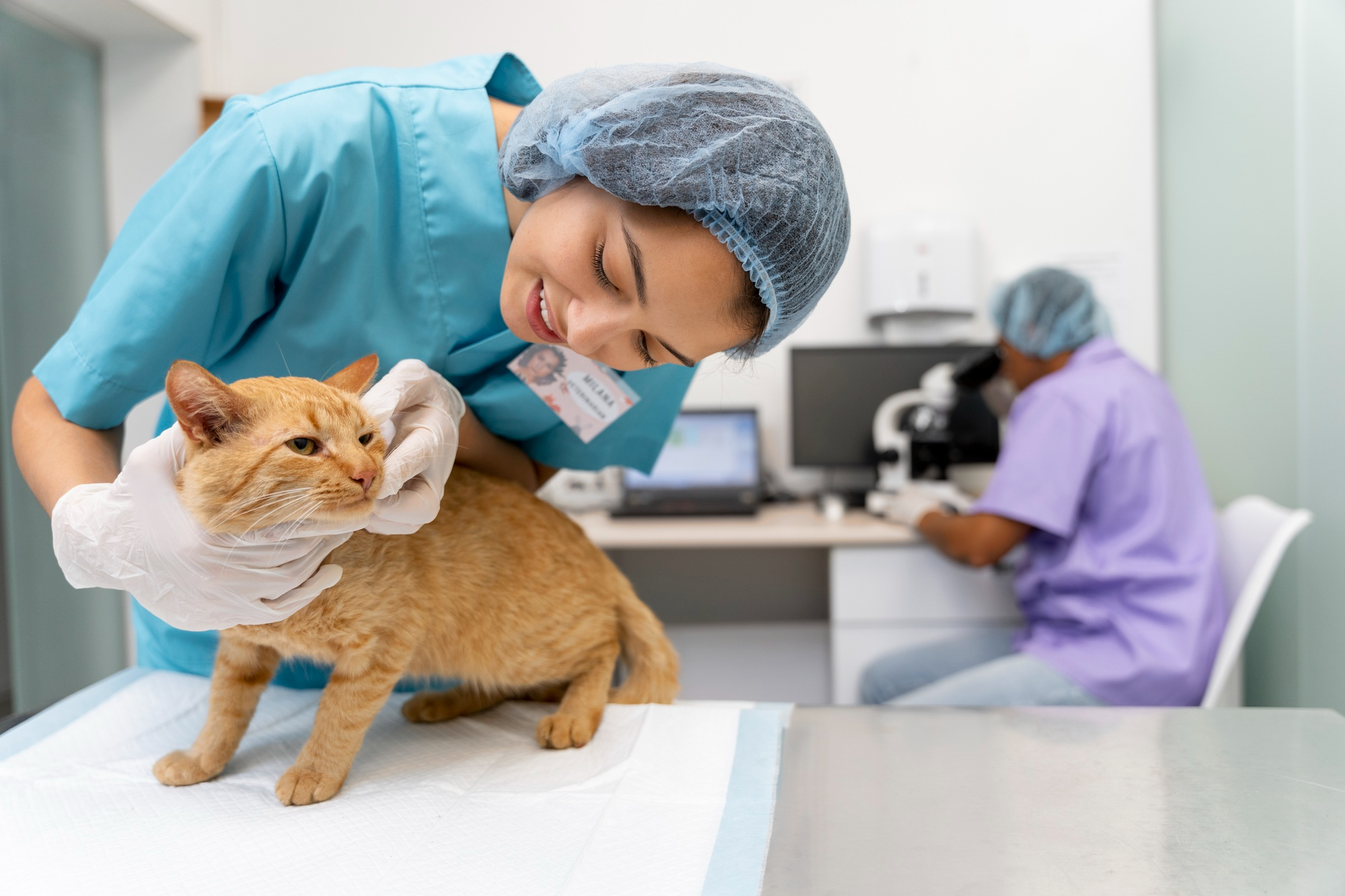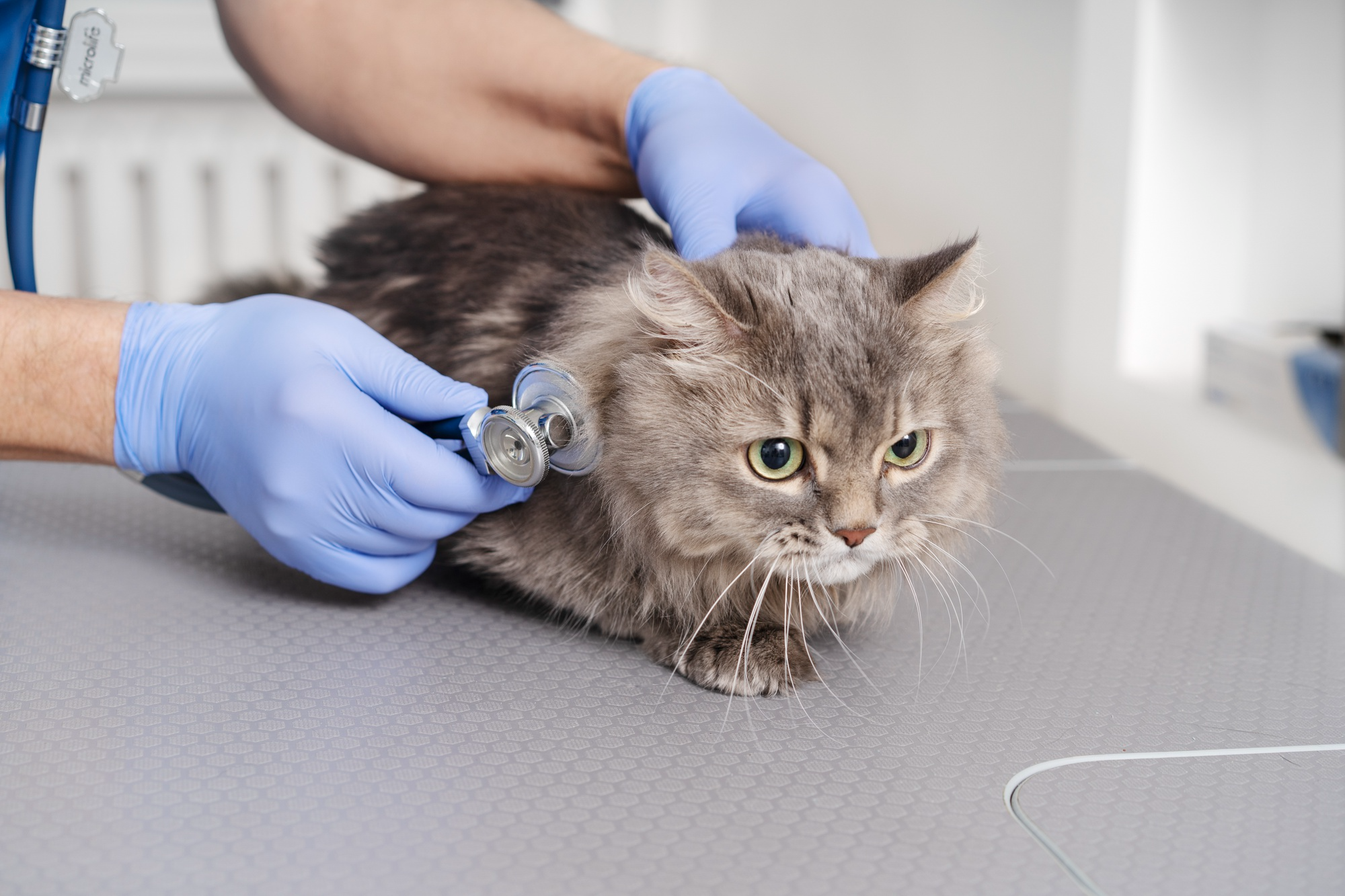


Pets often hide discomfort until it is harder to miss. Noticing small changes early gives us more options and a gentler path back to health.
1. Changes in appetite or water
Eating less, eating unusually fast, or drinking much more than usual can be an early clue that something needs attention.
2. Quiet shifts in behaviour
A social pet that starts hiding, or a calm pet that becomes snappy, is communicating. Treat personality changes as information, not a mood.
3. Sleep, play, and restless nights
Less interest in play, stiffness after rest, or pacing at night can point to pain, anxiety, or an underlying condition.
4. When to book a check
If a change lasts more than a day or two, or arrives together with vomiting, diarrhoea, or lethargy, it is safer to let a vet look.
Catching things early helps
Our team would rather see a “maybe” than wait for an emergency. A short consult can rule out worry — or start care while it is still simple.